
 English
  French
  German







Inclusive Design: Why the “Average Worker” No Longer Exists.
For decades, workplace design has been guided by the idea of the “average” user. Standard desk heights, uniform lighting levels, open-plan layouts and generic task chairs were all built around a narrow definition of comfort and performance. But that assumption is no longer fit for purpose.
As globally renowned ergonomics and workplace wellbeing specialist Jim Taylour recently argued, true inclusion in the workplace requires a far broader understanding of how people experience space. Inclusion is no longer a specialist add-on or a compliance exercise; it is becoming a core business imperative.

The modern workforce is more diverse, physically, cognitively and sensorially, than at any point in history. People’s abilities change across their lifetimes, across different stages of their careers and even across the working month. Designing for a static “norm” simply doesn’t reflect reality.
One of the most striking shifts is the rise in self-reported neurodiversity. Around one in five adults identify as neurodiverse, but among younger workers and recent graduates that figure is closer to one in two. For many, workplace environment is no longer a secondary consideration; it plays a decisive role in where they choose to work and whether they stay.
At the same time, the workforce is ageing. Subtle hearing and vision loss commonly emerge in people’s fifties, often long before individuals are fully aware of it. In busy, noisy offices this can create frustration, fatigue and social withdrawal particularly when acoustic design has been treated as an afterthought rather than a strategic priority.
Ergonomics has traditionally focused on posture and physical adjustment, but this is only part of the picture. Inclusive design also considers sensory ergonomics. How noise, light, textures and spatial clarity affect comfort, focus and wellbeing.
In open-plan offices especially, factors such as acoustics, lighting and wayfinding can determine whether a space feels supportive or overwhelming. Designing environments that reduce cognitive load and offer choice doesn’t just support specific needs, it improves the workplace experience for everyone.
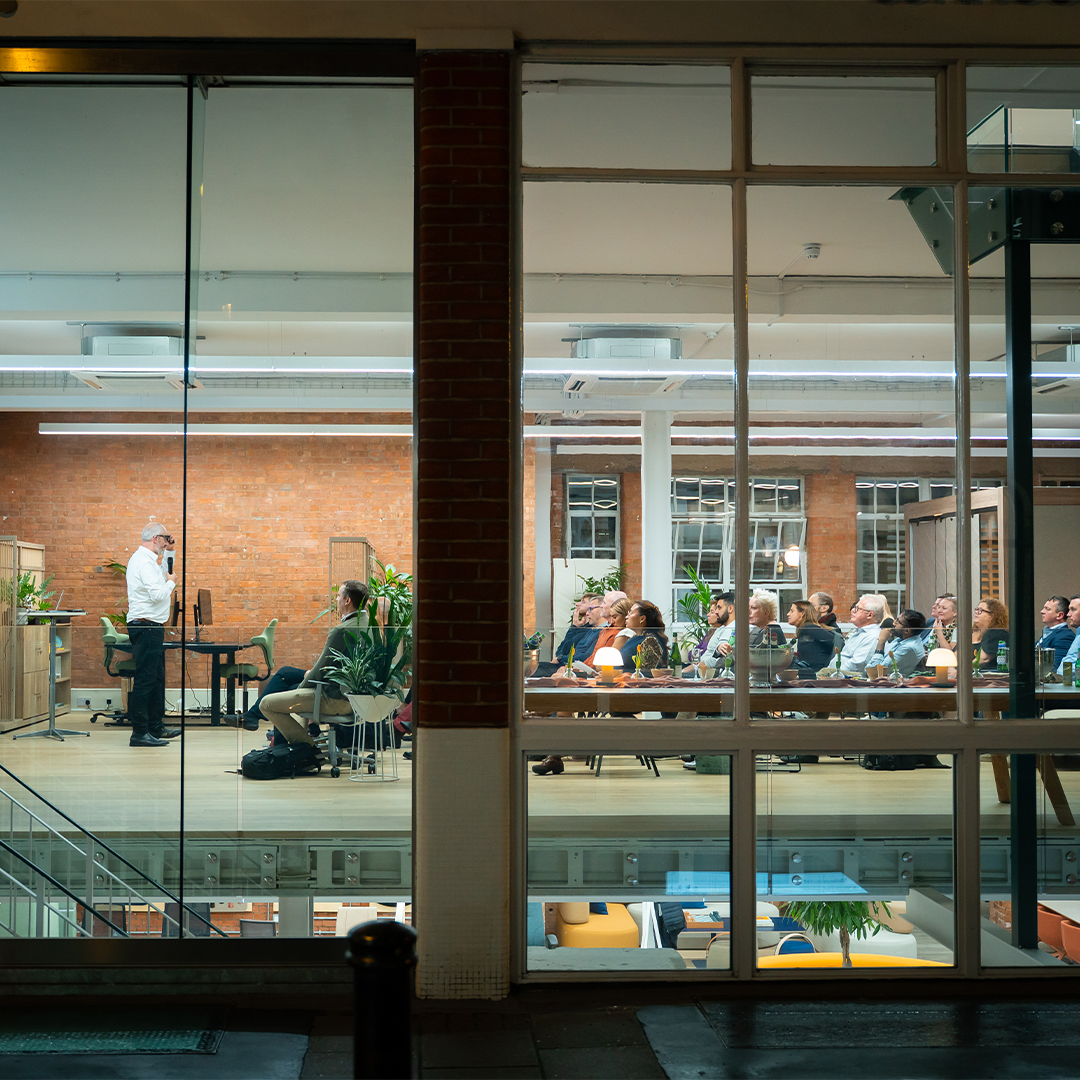
Designing with empathy, not assumptions.
One of the most powerful shifts advocated by inclusive design specialists is user-centred empathy. This means moving beyond assumptions and actively experiencing workplaces from different physical, sensory and cognitive perspectives.
Some organisations are beginning to use tools such as wearables that simulate age-related impairments, or structured design empathy exercises that help teams understand how small design decisions can have unintended consequences. When designers, facilities teams and leaders experience these challenges first-hand, priorities change quickly.
Crucially, inclusive design works best when considered early. Early-stage planning is where changes are most cost-effective and where layout, acoustics, zoning and furniture strategies can be aligned holistically rather than retrofitted later.

Inclusion as a strategic advantage
Inclusive design is also becoming embedded in standards and guidance. Frameworks such as the RIBA Inclusive Design Overlay, alongside emerging European standards addressing neurodiversity and human variation, signal a clear direction of travel. Organisations that wait risk falling behind both socially and commercially.
What’s increasingly clear is that inclusive workplaces are not just more humane, they are more productive. Employees who feel comfortable, supported and understood are more engaged, more creative and more likely to stay. In a competitive talent market, that matters.
A new era of workplace thinking
The message is simple but profound: there is no longer such a thing as an average worker. Designing workplaces around outdated assumptions limits performance and excludes talent.
By embracing inclusive design through better sensory ergonomics, empathetic design processes and cross-disciplinary collaboration between HR, designers, ergonomists and business leaders, organisations can create environments that truly work for the people inside them.
Inclusive design isn’t about doing more. It’s about doing better. And for the workplaces of the future, it’s fast becoming non-negotiable.
