
 English
  French
  German


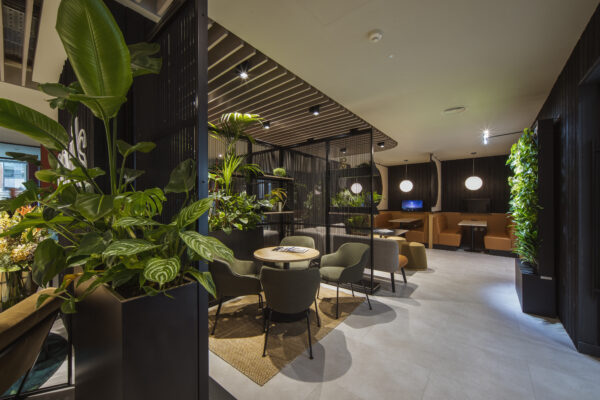
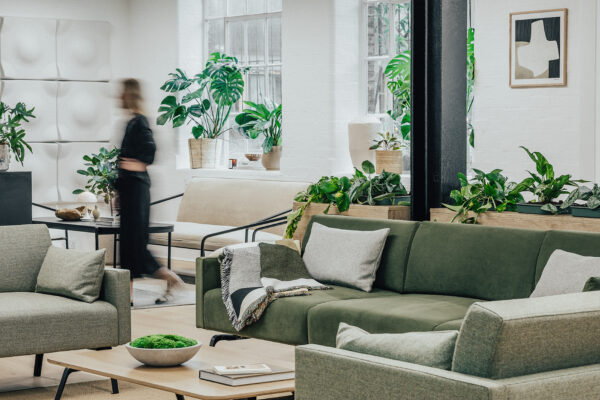


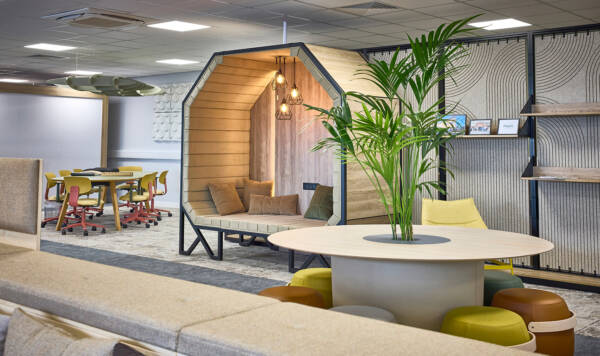

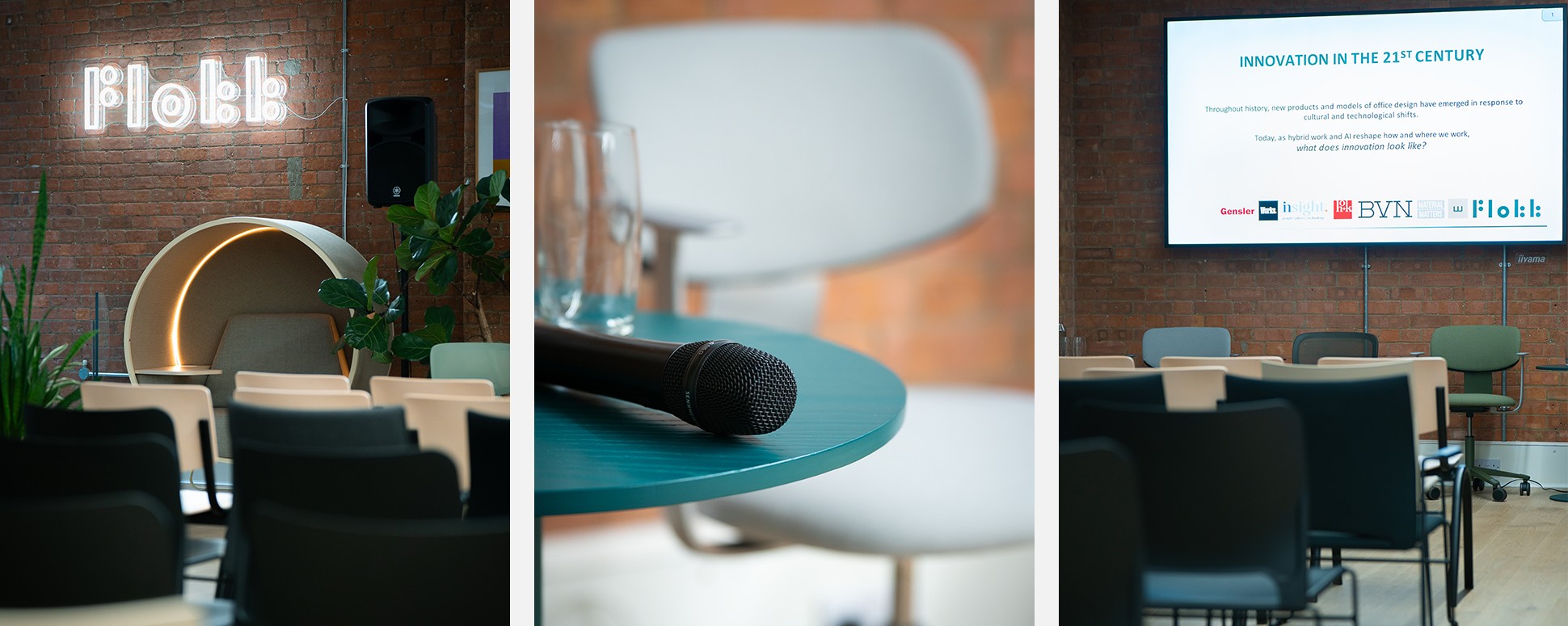
These themes were explored during a recent panel discussion hosted at our showroom, which brought together voices from across architecture, interiors, materials and workplace strategy. The conversation challenged traditional notions of innovation, shifting the focus from products and processes to adaptability, collaboration and long-term value.
A key area of discussion was how innovation must support hybrid working models. As the boundaries between physical and digital spaces continue to blur, the workplace is being redefined as a destination for collaboration, connection and shared culture rather than a default place for individual tasks. Design, the panel noted, has a critical role to play in enabling this shift.
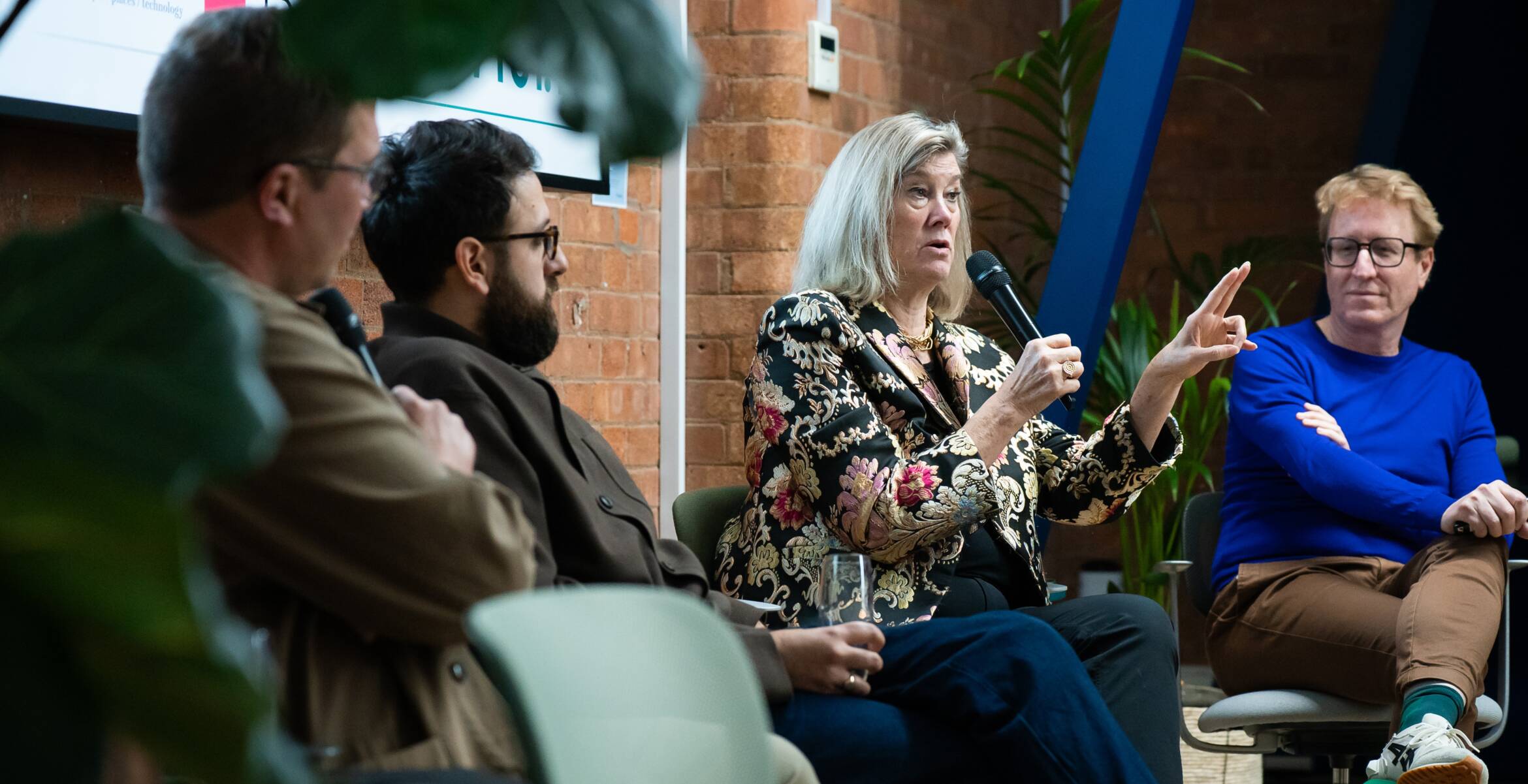
The relationship between technology and human experience also featured strongly. Rather than leading with tools alone, the discussion highlighted the importance of aligning technology with human needs, supporting wellbeing, inclusivity and ease of use without adding complexity or friction.
Ultimately, innovation in the 21st century was framed not as a single breakthrough, but as an ongoing mindset. One that values curiosity, cross-disciplinary thinking and the willingness to challenge established assumptions in order to create workplaces that are more adaptive, resilient and human-centric.