English
  French
  German



Sustainability
Our aim is to create high-quality seating with a reduced carbon footprint – emission reductions, which we pass on to our customers looking to lower their own environmental impact. We do so without losing sight of the wider, connected picture. Whatever we do should make the world a better place. It should protect the environment and make people’s lives better. An interconnected, complex world makes it more important than ever for organisations to have a clear vision for the world and not just business.
What makes our furniture sustainable?
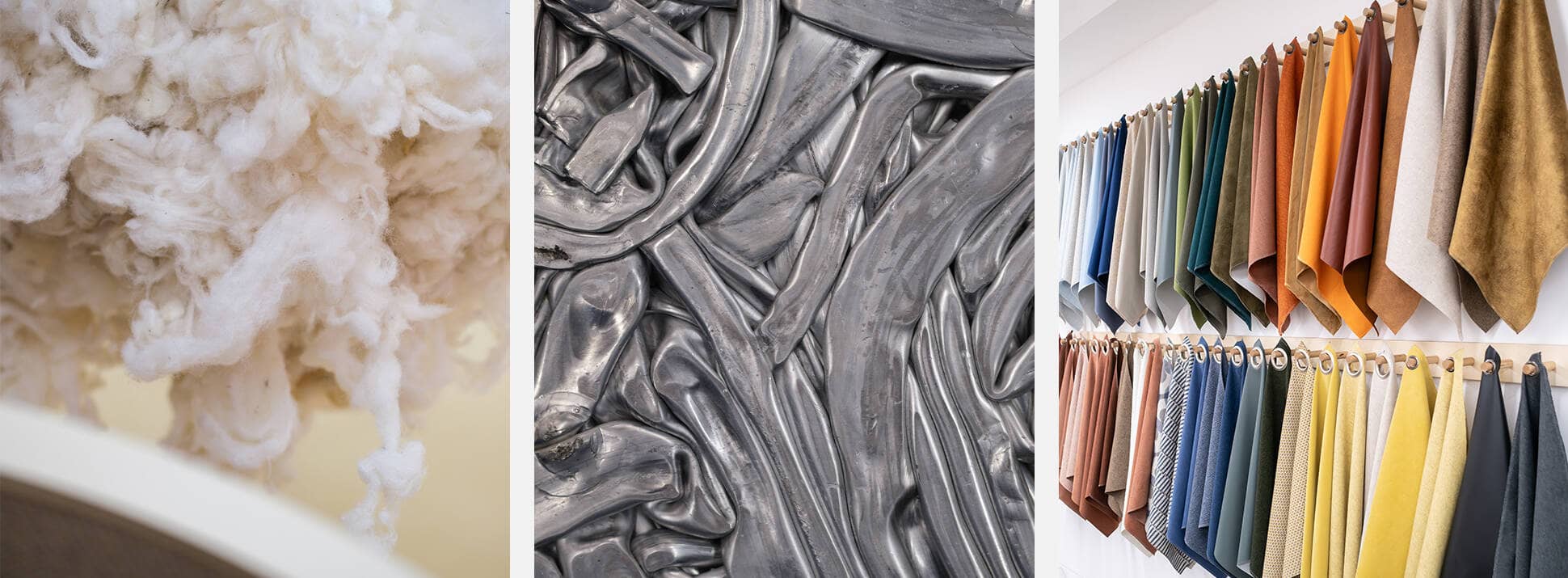
The environmental impact of a product and its effect on the planet is ultimately set into motion at the very first phase of design, with the selection of materials, processes and the factors required to bring a complete version of the initial concept to market. We are constantly increasing the amount of recycled plastic, aluminium, and steel we use. Recycled materials are almost always less energy intensive to make when compared to virgin materials, and using them consumes more waste than it creates. Both of these factors lower our reliance on natural resources, safeguarding the future of our planet.
We also avoid using toxic materials which makes conditions in our factories healthier and significantly reduces the amount of chemicals released by our furniture into your workspace environment (VOCs). This helps to lower the amount of pollution resulting from our manufacturing process, promoting the health of our customers and the environment.
At Connection, our mission is to create positive experiences through the design and manufacture of innovative commercial furniture ranges, whilst having a positive impact on the planet and meeting our own sustainability goals. Everything we do and create has some impact on the world, and what we do at a local level has implications for the whole planet and everything that lives on it. This is inescapable, which is why we endeavour to be the absolute best we can be.

Forest Carbon
To offset the usage of wood in our products and the limited printing of materials, we have partnered with Forest Carbon, the leading developer of carbon capture projects in the UK. We regard this as an incredibly effective way of mitigating the natural materials we use and as one of the best tools to tackle the climate crisis. We recently took the decision to drastically reduce the amount of printed marketing materials we make as a way of reducing our environmental footprint.

Carbon footprint
To reduce our carbon footprint, we prioritise working with partners located close to our facilities or near the regions where our customers need support. This helps minimise unnecessary travel and lowers overall emissions. We also monitor our footprint with great precision, using our own in-house carbon calculator to ensure reliable data. In addition, we collaborate with Forest Carbon to responsibly offset the emissions we cannot yet eliminate. All these efforts support our long-term ambition to achieve full carbon net-zero status by 2050.
Our approach
Discover our straightforward approach to sustainability, built around three core pillars: Manufacturing, Materials, and Design.